H1: Live Casino Off Peak Advantages: When Slower Sessions Reward Patient Players
For Australian players who log on after dinner or during weekday lulls, the slower rhythm of a live dealer floor can work in your favour. Off-peak windows do not magically improve odds, but they often mean shorter queues, calmer pacing, and room to think before each hand. This piece such separates what regularly happens from what is merely marketing, and keeps the focus on how repeated play actually feels once the welcome bonus has been spent.
What Changes When the Room Quietens
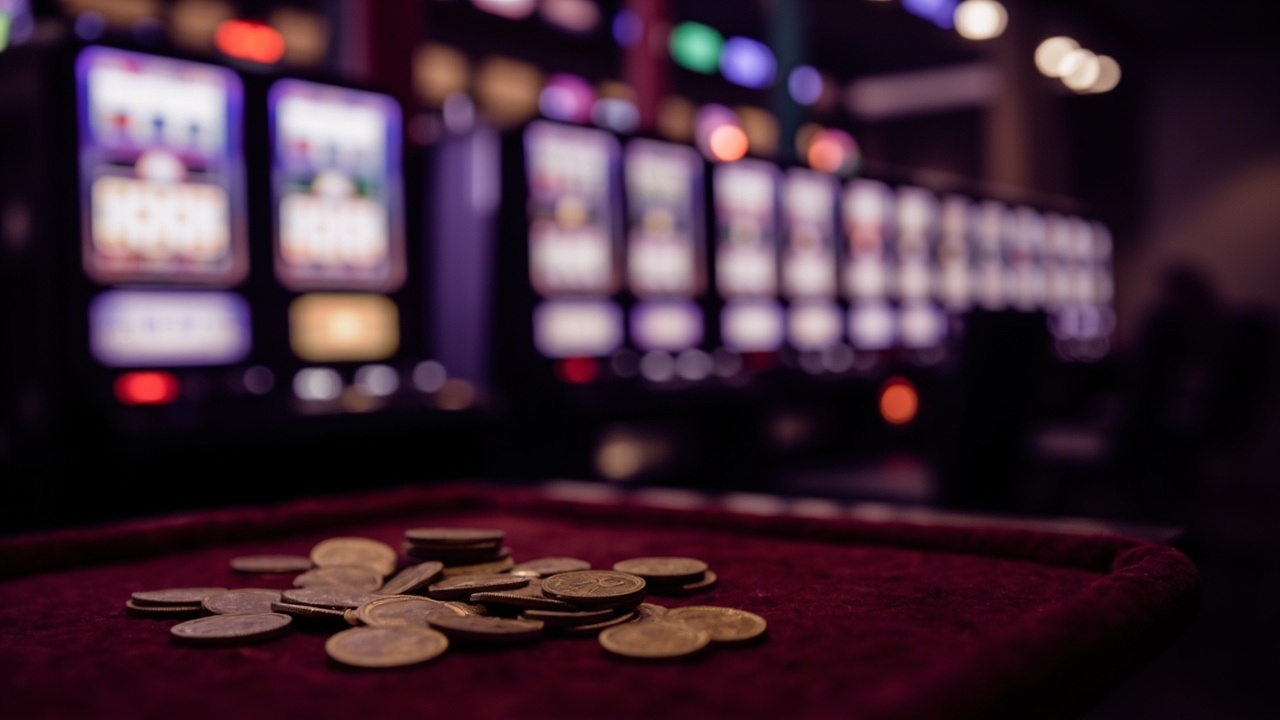
Live casino off peak advantages are mostly about tempo rather than mathematics. When fewer players are competing for seats at a single table, the dealer can acknowledge your actions more promptly, and the chat channel tends to stay less cluttered. That does not change the house edge on a roulette spin or a blackjack round, but it does reduce the pressure to decide in a hurry. For players who prefer a measured pace – especially those who split attention between a second screen, a footy broadcast, or a late arvo coffee – the calmer environment can make repeated sessions feel less rushed.
There are trade-offs, though. Some studios keep fewer tables open during quiet hours, which can narrow your choice of limits or game variants. Liquidity at lower-stakes tables can also thin out, meaning you might wait a moment longer for a seat even when the floor looks quiet overall. If you are chasing a specific game or a particular dealer style, you may find the quietest windows overlap with the smallest selection. The benefit is real, but it is conditional on what you actually want to play.
How Off-Peak Play Shapes the Long Game
Seat availability and pacing
When the floor is lighter, you are more likely to find a seat without competing against a queue, and the dealer can usually move at a steadier clip. That matters most for players who treat each decision as deliberate rather than reflex. A calmer table can also mean fewer interruptions from side chatter, which helps if you like to track your own notes or stick to a consistent staking rhythm. The catch is that some providers run a trimmed schedule overnight or early morning, so your preferred variant might not be on rotation. If you are flexible about dealer style or table limits, the quieter window is usually the easier one to settle into.
Promos, cashback, and loyalty when the room is quiet
A slower floor often pairs well with ongoing value mechanics, because you have more mental space to notice what is actually recurring. Cashback on lost sessions, modest reload promos, and tournament entries tend to matter more over time than a one-off welcome figure, and off-peak play can make those features easier to use without feeling hurried. Loyalty accrual is usually the same regardless of traffic, but you are more likely to log each session cleanly when you are not juggling a crowded table. If you are weighing plinko casino australia alongside a live dealer floor, the same principle applies: recurring promos and cashback structures deserve more attention than the headline bonus, because they shape what happens after the first few deposits. The caveat is that terms vary widely, and some cashback or tournament offers run on fixed schedules rather than on demand, so quiet hours do not guarantee better terms – only a clearer view of them.
Mobile habits and the Darwin factor
Most Australian players are used to checking a session on a phone between tasks, and live dealer tables have to hold up on a smaller screen if you want the quieter window to be useful. A stable mobile feed matters more when you are not sitting at a desk, because a dropped frame or laggy stream can turn a calm table into a frustrating one. Local context also matters: Darwin’s time zone and remote lifestyle mean some players are active earlier or later than the southern capitals, and a studio schedule that looks quiet in Sydney may still be steady up north. If you are playing from the Top End or travelling between regions, it is worth checking whether your usual off-peak hours actually line up with live tables rather than assuming the quietest local time is the quietest on the floor.
| Feature | Typical off-peak behaviour | What to check before you sit |
|---|---|---|
| Table availability | Fewer open seats, sometimes narrower variants | Studio schedule for your preferred game |
| Dealer pacing | Generally steadier, less side chatter | Whether the stream stays stable on mobile |
| Ongoing promos | Same terms, easier to track | Cashback schedule, reload timing, loyalty tiers |
| Seat wait | Often shorter, but can vary by limit | Minimum and maximum stakes at quiet-hour tables |
Who this rhythm suits, and who should look elsewhere
Off-peak sessions tend to suit players who value a predictable pace, who are comfortable playing fewer hands or spins in a sitting, and who care more about keeping a clean record of their play than about feeling immersed in a busy room. They also suit players who want to make use of cashback or loyalty accrual without the noise of a crowded table. If you prefer fast-moving action, high-traffic energy, or a wide spread of variants at any hour, the quietest windows may feel too limited. The right call is less about which approach is better overall and more about which conditions match how you actually play.
Isla Patel, Strategy Director, Bondi Sports Data, puts it plainly: “Quiet hours do not change the maths, but they do change how much attention a player can give to their own decisions, and that matters for anyone trying to keep their play disciplined over time.” That is the practical upside – more room to think, less pressure to rush.
- Check the studio schedule before settling on a quiet-hour routine.
- Confirm mobile stream stability on your own device, not just on Wi-Fi at home.
- Read the recurring promo and cashback terms, not just the welcome offer.
- Decide whether you value a calmer table or a wider game selection more.
For players in Darwin or anywhere else on Australian time, the main takeaway is straightforward: off-peak play is not a shortcut to better returns, but it can be a better fit for a calmer, more repeatable routine. If you treat it as a pacing choice rather than a promise, it can make ongoing value easier to use and repeated sessions less hurried.
Leave a Reply